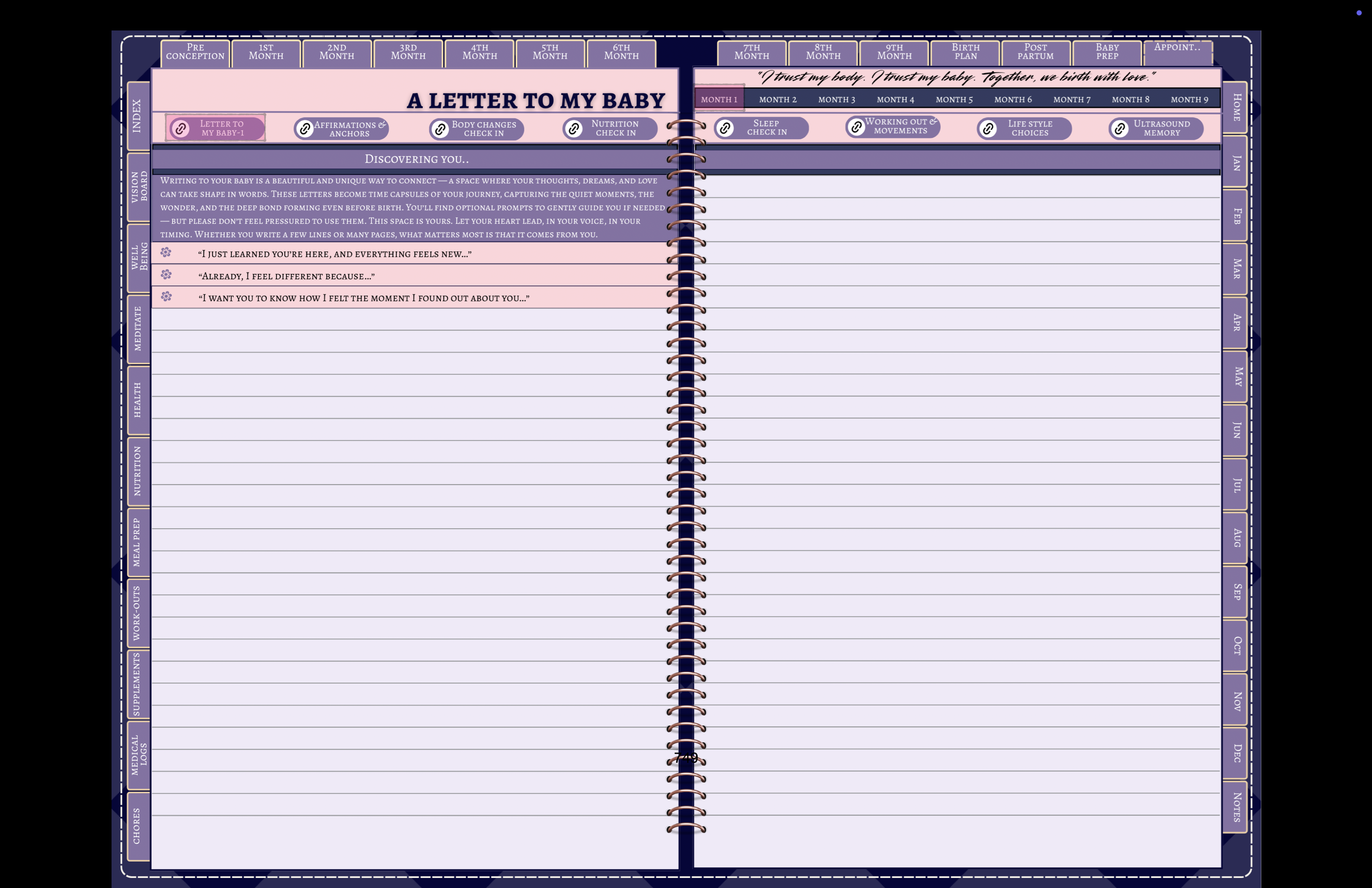
The first time you talk to your belly, it might feel a little strange. You’re alone in your room, hand on your stomach, speaking to someone you haven’t met yet.
But here’s the beautiful truth: your baby is listening.
And not just listening—they’re learning your voice, feeling your love, and building a connection with you that begins long before birth.
The Science: Yes, Your Baby Can Hear You
This isn’t just wishful thinking or spiritual intuition (though it’s that too). Decades of research have confirmed what mothers have always sensed: babies in the womb are aware, responsive, and deeply connected to their mother’s voice.
When Can Baby Hear?
| Week | Development |
|---|---|
| Week 16 | Tiny bones in the ear begin forming |
| Week 18 | Baby starts to hear sounds |
| Week 24 | Ears are fully developed; baby responds to noise |
| Week 25-26 | Baby recognizes and responds to familiar voices |
| Week 32+ | Baby can distinguish between different voices and languages |
By the third trimester, your baby isn’t just hearing sounds—they’re learning them. They recognize patterns, respond to music, and most remarkably, they know your voice from all others.
Did you know? Newborns can distinguish their mother’s voice within hours of birth. Studies show babies turn toward their mother’s voice and show recognition of stories and songs they heard repeatedly in the womb.
What Your Baby Experiences in the Womb
Your voice reaches your baby differently than other sounds. External noises are muffled by amniotic fluid, but your voice? It travels through your body—through your bones, your breath, your heartbeat.
Your baby hears you from the inside.
This is why your voice is so uniquely powerful. To your baby, it’s the most familiar, comforting sound in their entire world.
What else does baby experience?
- Your heartbeat — a constant, rhythmic presence
- Your breathing — the gentle rise and fall
- Your digestion — yes, really!
- Music and voices — muffled but recognizable
- Your emotions — through hormones and energy
When you speak lovingly to your baby, you’re not just making sound. You’re creating an environment of safety, welcome, and connection.
Why Talking to Your Baby Matters
1. Babies Recognize Your Voice at Birth
Multiple studies have shown that newborns prefer their mother’s voice over strangers’ voices immediately after birth. They’ve been listening and learning for months.
In one famous study, mothers read The Cat in the Hat aloud during pregnancy. After birth, their babies showed a clear preference for that story over unfamiliar ones—proving they remembered what they heard in the womb.
2. It Supports Brain Development
Your voice stimulates your baby’s developing brain. The patterns of language, the rhythm of your speech, the emotional tones—all of this is “data” that helps wire your baby’s brain for language and emotional connection.
3. It Deepens Your Bond
Talking to your baby makes the pregnancy feel more real. It transforms “the baby” into your baby—a person you’re already in relationship with.
Many mothers report: The more they talked to their baby during pregnancy, the more connected they felt at birth. The baby already felt familiar—like meeting someone they’d known all along.
4. It Calms Both of You
Speaking softly to your baby is naturally soothing. Your breathing slows, your body relaxes, and stress hormones decrease. Your baby feels this calm too.
It’s a practice that benefits you both.
Simple Ways to Talk to Your Baby
If you’re not sure what to say, you’re not alone. Many moms feel awkward at first. Here are gentle ways to begin:
Narrate Your Day
You don’t need to say anything profound. Simply tell your baby what you’re doing:
“Good morning, little one. We’re going to make some breakfast now.”
“I’m taking a walk. Can you feel the sunshine?”
“That was a big kick! Are you stretching in there?”
Share Your Feelings
Let your baby in on your inner world:
“I’m feeling a little nervous today, but we’re going to be okay.”
“I’m so excited to meet you. I wonder what you’ll look like.”
“I already love you so much.”
Read Aloud
Reading to your baby is a beautiful way to bond. It doesn’t matter what you read—children’s books, poetry, even what you’re reading for yourself. Your baby just wants to hear your voice.
Try this: Pick one book to read repeatedly during pregnancy. After birth, read it again and watch your baby’s response. Many parents are amazed by the recognition they see.
Sing Songs
You don’t need to have a good voice. To your baby, your voice is perfect. Sing lullabies, songs you love, or make up silly songs just for them.
Play Music
While your voice is irreplaceable, babies also respond to music. Gentle, calm music can be soothing for both of you. Some moms play the same playlist throughout pregnancy and use it postpartum for calming.
Include Your Partner
Partners sometimes feel left out during pregnancy—the baby is literally inside someone else’s body. But babies can learn to recognize other voices too.
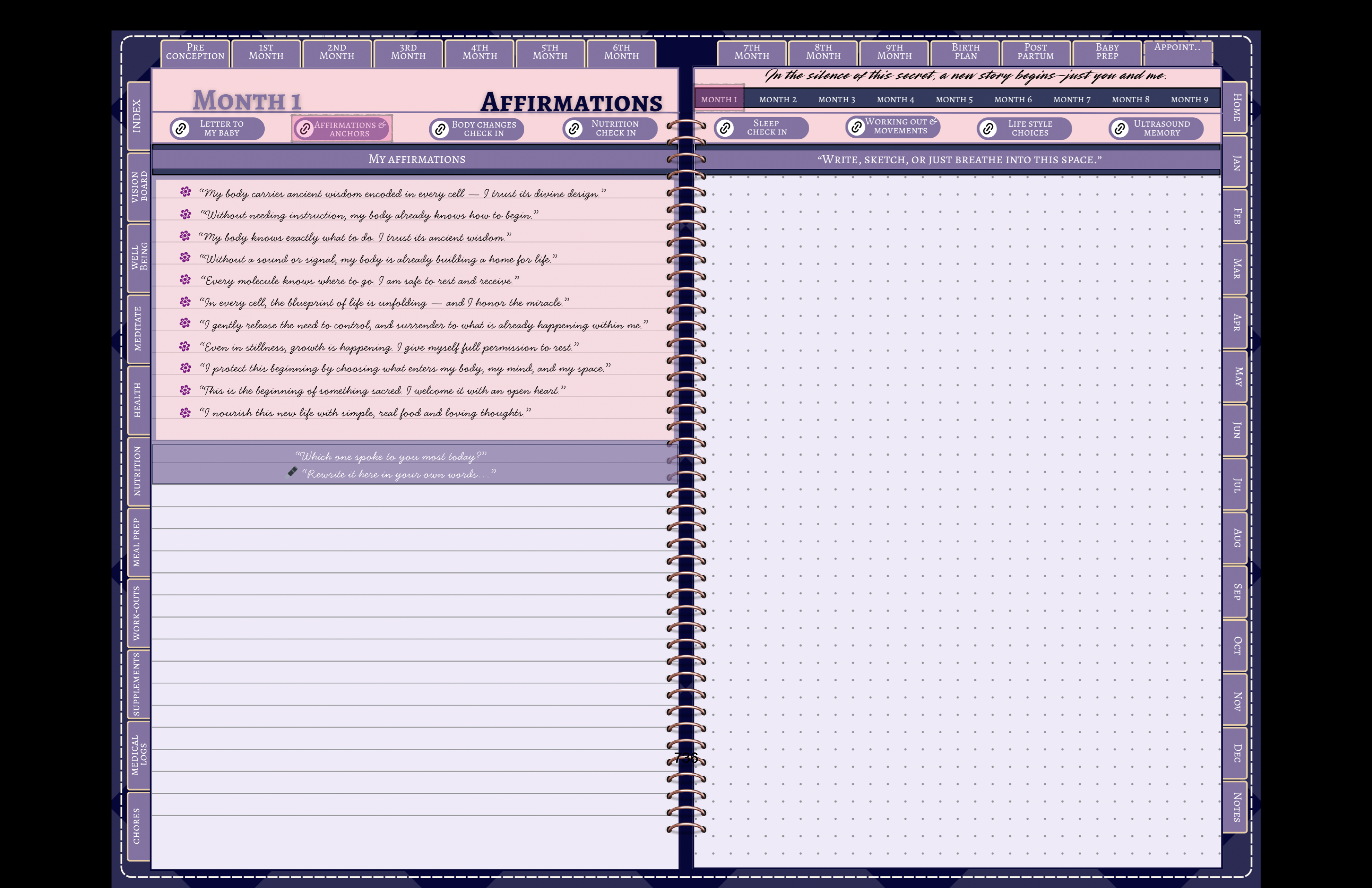 Sharing affirmations together creates connection for the whole family.
Ideas for Partner Bonding:
- Talk to the belly daily — even a simple “Good morning, baby” creates familiarity
- Read bedtime stories — make it a nightly ritual
- Sing or play music — let baby learn their other parent’s voice
- Feel for kicks together — talk during active times so baby associates the voice with touch
- Say the same phrase repeatedly — babies learn patterns; a repeated phrase becomes recognizable
Research shows: Babies recognize their father’s voice at birth if they heard it regularly during pregnancy. Partners who talked to the baby often report feeling more connected from day one.
When Talking Feels Hard
Some days, you might not feel like talking to your baby. Maybe you’re exhausted. Maybe you’re anxious. Maybe the pregnancy wasn’t planned, and your emotions are complicated.
That’s okay.
Connection doesn’t require constant conversation. Even placing your hand on your belly with intention is communication. Even thinking loving thoughts is connection.
And on the days when words do come, they don’t need to be perfect. Your baby isn’t judging your vocabulary or your delivery. They just want you.
Write What You Can’t Say Aloud
Sometimes it’s easier to write than to speak. That’s why journaling to your baby can be just as powerful as talking aloud.
Our “Letter to My Baby” pages give you prompts and space to express what’s in your heart.
Writing letters to your baby:
- Helps you process complex emotions
- Creates a keepsake they can read someday
- Feels more private if talking aloud feels awkward
- Allows you to say things you might not speak
Prompt ideas:
- I want you to know how I felt when I found out about you…
- Here’s what I imagine when I think about meeting you…
- The world you’re coming into is…
- I promise to always…
A Practice for the Rest of Your Journey
Talking to your baby doesn’t have to be a special activity you schedule. It can become a natural part of your day—a running conversation with the little person growing inside you.
Over time, you might notice:
- You feel more connected to your pregnancy
- Anxiety decreases as you focus on relationship
- Your baby seems to respond to your voice
- The baby feels more “real” before birth
- You transition to motherhood with a bond already in place
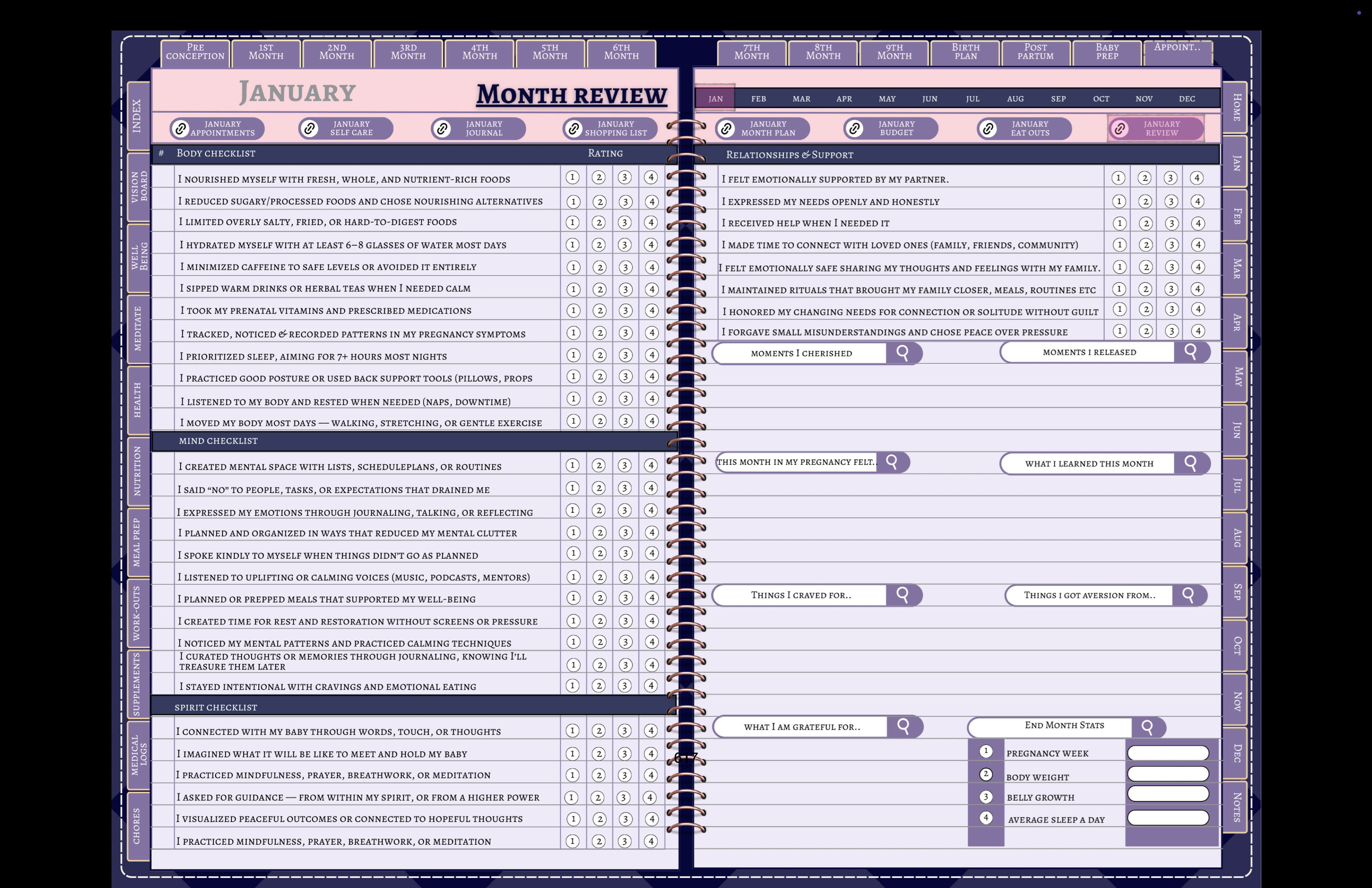 Track your growing connection month by month as you reflect on your journey.
The First Voice They’ll Ever Know
Your baby’s first experience of the world is you. Your voice. Your heartbeat. Your breath. Your love.
Before they see your face, they know your sound.
What a gift to give them: the knowledge that they’ve been spoken to, sung to, and loved—from the very beginning.
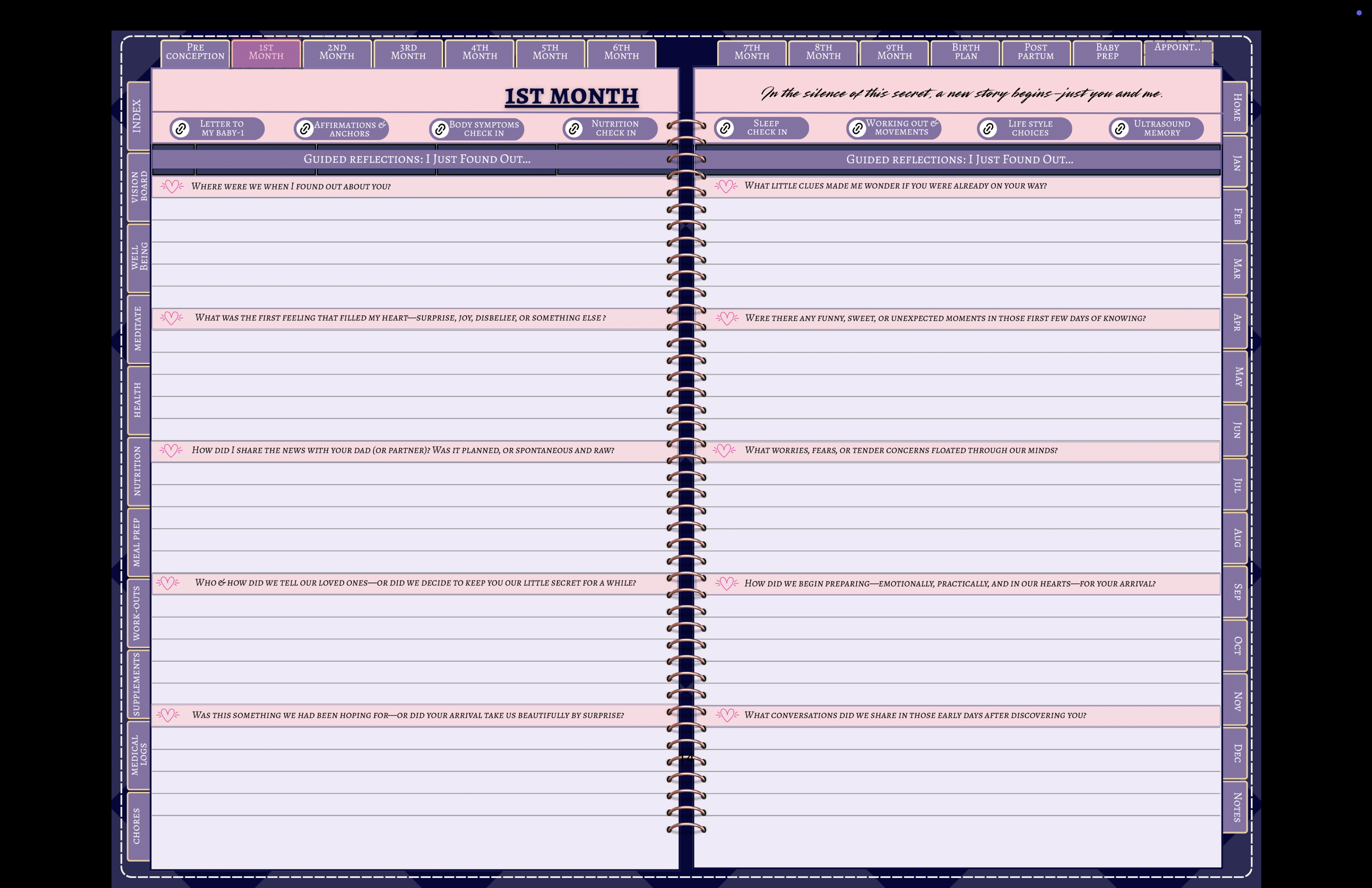
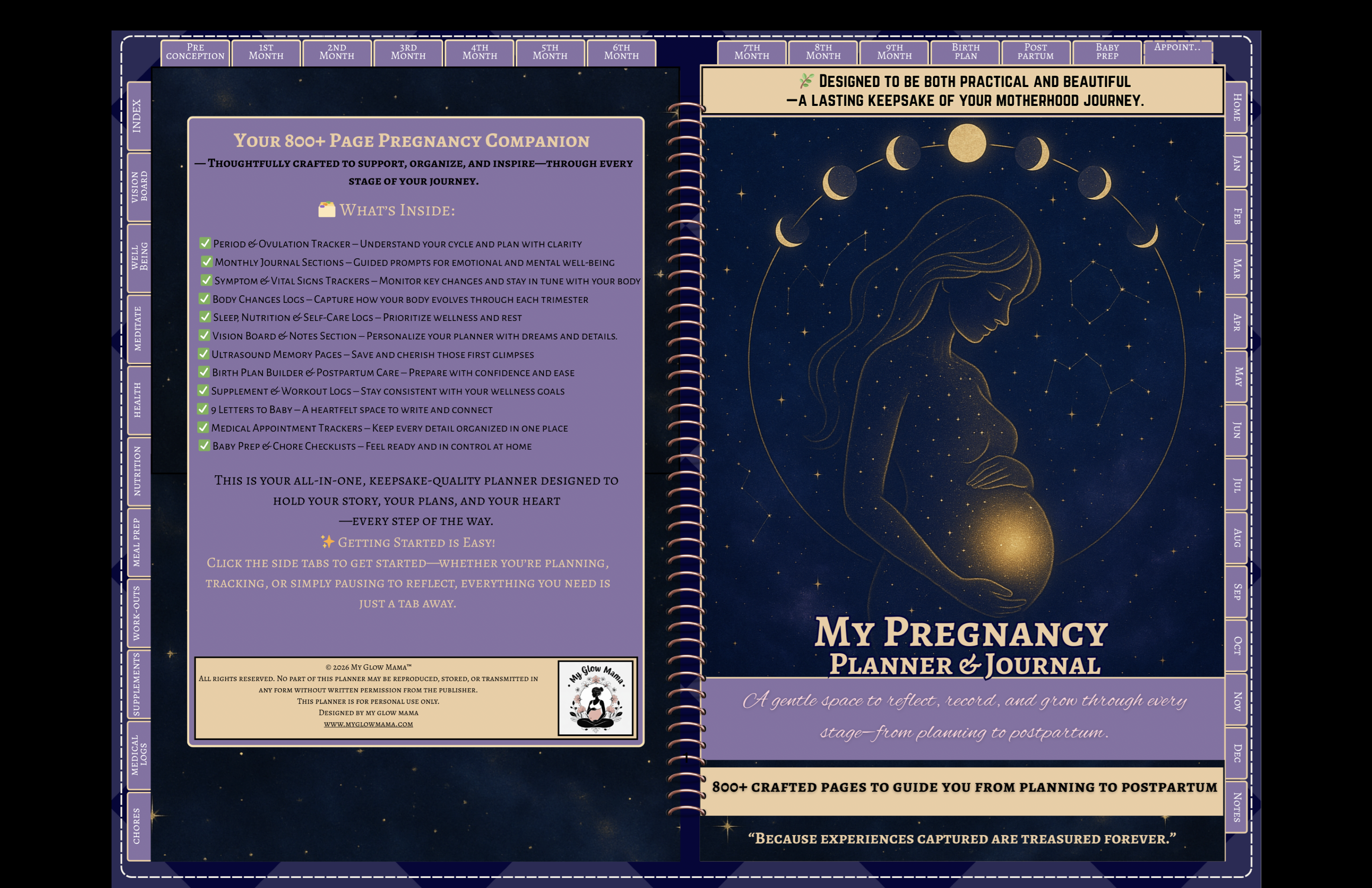
Start documenting your connection. Our pregnancy planner includes “Letter to My Baby” pages, guided prompts, and space to record the conversations and moments you’re sharing—creating a keepsake you’ll treasure forever.
What do you say to your baby? What songs do you sing? We’d love to hear about your prenatal bonding practices.
Enjoying This Article?
Get free journal pages and more tips delivered to your inbox.
Get Free Sample PagesYou Might Also Like
 pregnancy
 First Trimester Survival Guide: 10 Tips From Real Moms
Practical tips to help you navigate the challenges of your first trimester, from morning sickness to fatigue and everything in between.
 pregnancy
 How to Use Your Pregnancy Planner: A Complete Getting Started Guide
Learn how to make the most of your 800+ page pregnancy planner. From navigating the tabs to filling out your first pages, this guide will help you get started.